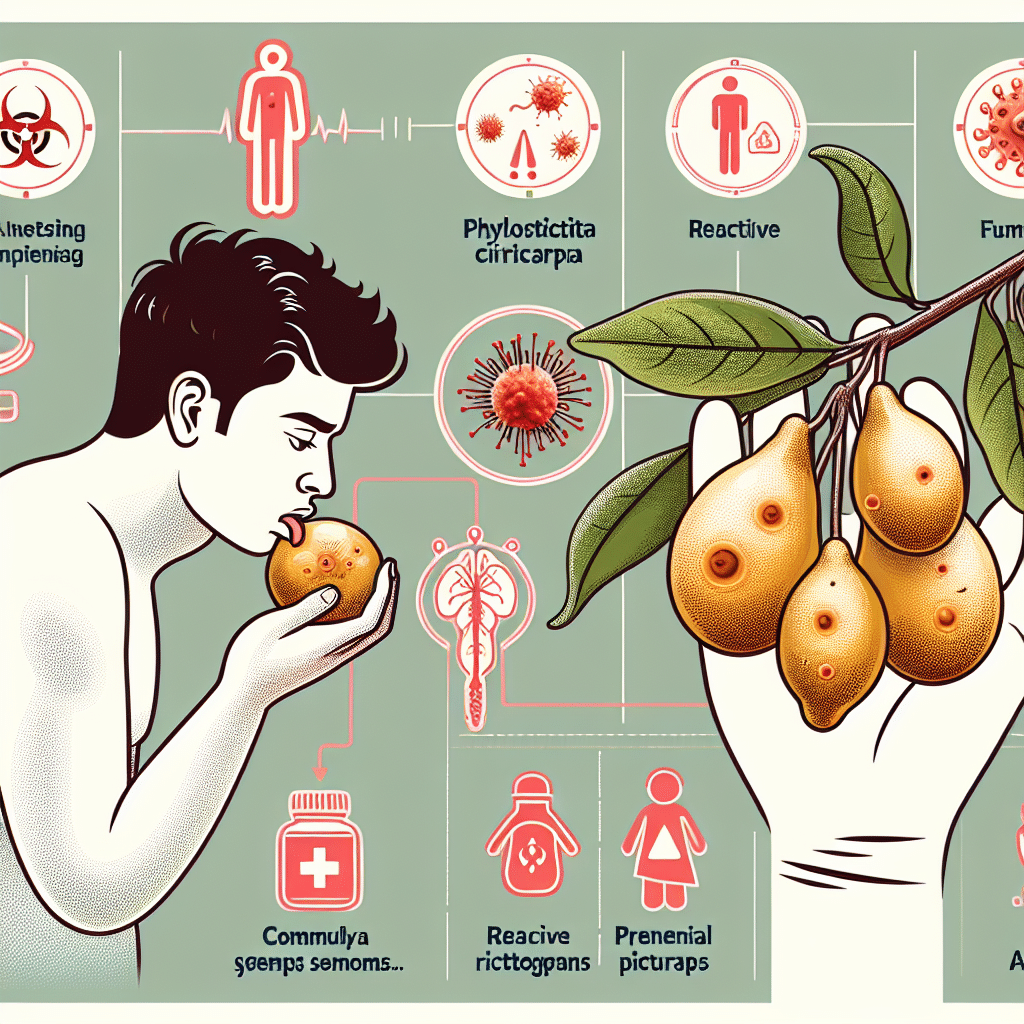
Phyllosticta citricarpa is a fungal pathogen primarily known for causing black spot disease in citrus plants. While it poses significant threats to agriculture, there is limited research regarding its effects on human health upon ingestion. Currently, ingestion of the fungus itself is not documented to cause severe health issues in humans, although its presence on citrus fruits can lead to contamination. The primary risks and potential outcomes include allergic reactions, foodborne illness from contaminated fruit, and possible mycotoxin production by fungi, which could have health implications if consumed in large quantities. Further studies are needed to clarify these aspects, and it remains essential to avoid consuming visibly spoiled or decayed fruit to minimize any risks associated with fungal pathogens like Phyllosticta citricarpa.
Understanding Phyllosticta citricarpa
Phyllosticta citricarpa is known for causing black spot disease in citrus fruits, primarily affecting the juice quality and yield of crops such as oranges and lemons. This fungal pathogen thrives in warm and humid climates, making it prevalent in regions where citrus is extensively cultivated.
Life Cycle and Characteristics
This fungus has unique life stages, including conidia and ascospores, which enable it to spread efficiently. When susceptible citrus plants are infected, the fungus penetrates the fruit surface, leading to the development of characteristic black spots. This can result in substantial economic losses for growers due to reduced marketability and decreased processing quality.
Potential Human Health Risks
Mycotoxins and Their Effects
Although direct ingestion of Phyllosticta citricarpa does not have extensive documented negative consequences for human health, the production of mycotoxins by similar fungal species poses a potential risk. Mycotoxins, such as citrinin and patulin, can cause various health issues, including gastroenteritis or immunotoxicity, depending on the level of exposure and individual susceptibility.
Foodborne Illnesses Due to Contaminated Produce
The main health concern arises from consuming citrus fruits infected with the fungus, especially if they are not properly cleaned. Contaminated fruit can harbor bacteria or other pathogens that, in conjunction with fungal presence, can lead to foodborne illnesses. Symptoms may include nausea, vomiting, diarrhea, and abdominal pain, which are common gastrointestinal reactions.
Allergic Reactions
Another risk factor is the potential for allergic reactions in sensitive individuals. Mold exposure, particularly in those with pre-existing allergies or asthma, can trigger respiratory issues or skin irritations. Symptoms may include sneezing, coughing, skin rashes, or exacerbation of asthma conditions.
Preventive Measures
To reduce the risks associated with Phyllosticta citricarpa and similar pathogens, it is vital to implement preventive measures, especially in citrus fruit handling and consumption. Here are some strategies:
- Inspect Fruits: Always inspect citrus fruits before purchase. Avoid fruits that have visible signs of decay or fungal growth.
- Proper Washing: Thoroughly wash all fruits under running water to minimize surface contaminants.
- Storage Conditions: Store fruits in cool, dry places to inhibit fungal growth. Discard any fruits that show signs of spoilage over time.
FAQs
1. Can I eat fruit if I see black spots caused by Phyllosticta citricarpa?
It is best to avoid eating fruits with visible black spots as they indicate fungal infection, which may compromise the fruit quality and safety.
2. What symptoms should I watch for after consuming contaminated citrus?
Symptoms to monitor include nausea, vomiting, abdominal pain, and diarrhea. Seek medical attention if severe issues arise.
3. Are there long-term effects of ingesting mycotoxins?
While acute effects may be moderate, long-term exposure to mycotoxins is associated with various health issues, including chronic gastrointestinal diseases and potential carcinogenic effects depending on the specific mycotoxin and exposure levels.
4. How can I minimize the risk of mycotoxin ingestion?
The key is to consume fresh, high-quality fruits and vegetables, inspect them thoroughly for signs of spoilage, and practice good hygiene when handling food.
Conclusion
In summary, while Phyllosticta citricarpa does not directly pose severe health risks upon ingestion, the associated factors like contamination and mycotoxin production merit caution. Safe food handling practices are crucial to mitigate potential risks and ensure the consumption of healthy and uncontaminated citrus fruits.