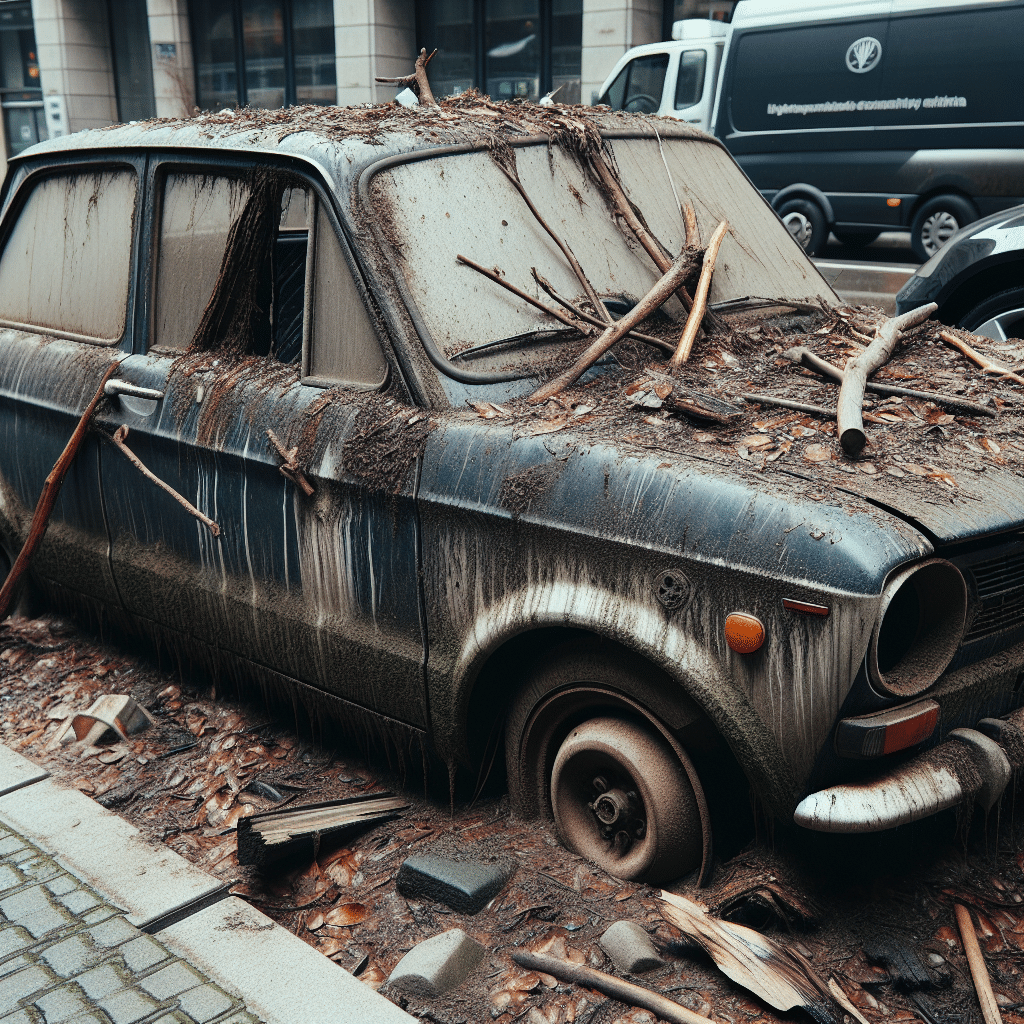
What is a debris car? A debris car refers to a vehicle that has sustained significant damage typically from a collision, natural disaster, or extensive wear-and-tear, rendering it unsuitable for safe road use. Often categorized as a total loss, these cars may be repaired at a high cost or may be dismantled for parts. The term “debris car” is frequently used in automotive recycling and insurance contexts, where such vehicles are processed either for salvageable components or written off entirely after an accident. They highlight the importance of safety regulations, vehicle maintenance, and environmental considerations surrounding the recycling of automotive materials. Understanding what constitutes a debris car and how the process works is crucial for car owners, insurers, and the automotive industry at large.
Understanding Debris Cars
Debris cars, as the term suggests, represent a state of significant disrepair or destruction where the vehicle is no longer deemed roadworthy. This section delves deeper into the characteristics, classification, and reasons for categorizing a vehicle as a debris car.
Characteristics of Debris Cars
Debris cars often exhibit several distinct characteristics:
- Extensive Damage: These vehicles show severe damage to structural components, such as the frame or body, that affects their safety and functionality.
- Non-Operational: A debris car may not start or run, making it unable to be driven safely.
- Repair Costs Exceed Value: When repair expenses surpass the car’s market value, it’s often classified as a debris car by insurance companies.
- Sustained from Various Causes: Damage may arise from accidents, vandalism, natural disasters (like floods or hurricanes), or mechanical failure over time.
Classification of Debris Cars
In the automotive industry, a debris car can fall under various classifications:
- Total Loss: A vehicle is marked as a total loss when the cost to repair it is more than its current value, a common designation for debris cars.
- Salvage Title: Vehicles that are deemed unrecoverable but can still provide parts may receive a salvage title, indicating their status legally.
- Junk Car: Once a vehicle has no market value, it may be classified as a junk car, often sent to a junkyard or recycling facility.
Common Causes Leading to Debris Cars
Several factors contribute to a vehicle becoming a debris car:
Accidental Damage
The most prevalent cause stems from accidents. Collisions with other vehicles or stationary objects can result in extensive damage, leading insurance companies to declare the car a total loss. According to the National Highway Traffic Safety Administration (NHTSA), over 6 million crashes occur annually in the United States, a significant number of which lead to debris car classifications.
Naturally Induced Damage
Natural disasters pose another significant risk. For instance, a car caught in a flood may face catastrophic water damage, rendering it inoperable. FEMA reports that floods account for around 40% of all natural disasters in the U.S., underscoring the risk to vehicles.
Wear and Tear
Over time, vehicles may succumb to mechanical failure due to inadequate maintenance, eventually leading to their classification as debris cars. Regular service checks and maintenance are vital to prolonging vehicle life and preventing such situations.
The Process Following the Declaration of a Debris Car
Once a vehicle is classified as a debris car, several steps are typically followed:
Insurance Claims Process
The vehicle owner needs to file a claim with their insurance company. An assessor will evaluate the damage and determine if it meets the criteria for a total loss. If approved, the owner will receive compensation based on the car’s current market value, minus any deductibles.
Salvage Title Application
If the owner wishes to retain the vehicle for parts, they may apply for a salvage title. This allows them to legally own and sell parts from the car, though they must disclose this status to prospective buyers.
Recycling and Disposal Options
For those opting to dispose of the debris car, numerous recycling centers specialize in taking apart such vehicles. They will safely dismantle them, extracting materials like metals, plastics, and fluids for proper recycling.
Environmental Impact of Debris Cars
Debris cars can have a significant effect on the environment if not handled appropriately:
Hazardous Materials
Particles from old cars often contain harmful substances, including oil, batteries, and coolant, which can leak into the environment if not disposed of correctly. Utilizing certified recycling facilities ensures these materials are managed in an environmentally responsible manner.
Recycling Benefits
Recycling debris cars can contribute positively to the economy by reclaiming valuable materials, reducing waste, and conserving energy compared to producing new parts. As highlighted by the Environmental Protection Agency (EPA), recycling metal saves 74% of the energy required to make new steel.
Frequently Asked Questions (FAQs)
1. What is the difference between a total loss and a debris car?
A total loss refers to a vehicle that the insurance company deems not worth repairing based on its market value versus repair costs. A debris car is often classified as a total loss, but not all total loss vehicles are considered debris cars in terms of their physical state.
2. Can I repair a debris car?
Yes, it is possible to repair a debris car; however, extensive damage might mean that the repair costs outweigh the car’s market value. In such cases, investing in repairs may not be financially viable.
3. What should I do with my debris car?
Options for a debris car include selling it for parts, donating it, or taking it to a recycling facility. Understanding local laws regarding salvage and junk titles is important before making a decision.
4. Is it illegal to drive a debris car?
Yes, it is illegal to drive a vehicle classified as non-operational or one that has been designated a debris car without proper repair and paperwork, including a title showing the vehicle is roadworthy.
Conclusion
A debris car is more than just a damaged vehicle; it embodies a complex interplay between automotive safety, environmental concerns, and economic implications. Awareness and understanding of what a debris car entails enable informed decisions for vehicle owners, dealers, and insurers alike. By recognizing the potential dangers and benefits tied to debris cars, you can better navigate the landscape of vehicle ownership and recycling. If you find yourself in possession of a debris car, consider your options wisely and consult trusted professionals to help you through the process.